Understanding Sleep Heart Rate
Sleep heart rate is an important indicator for assessing our sleep quality and the body's recovery during sleep. Generally, a lower sleep heart rate indicates good rest and recovery from physical activity.
When looking at resting heart rate, we should consider:
- Standard Average Sleep Heart Rate
- 4 Typical Sleep Heart Rate Trends and Their Meanings
- Smile Curve (decreases then increases): A good night's sleep
- Steadily Decreasing: The body is still recovering from "overtime"
- Increases then Decreases: Overly tired at bedtime
- Consistently High: High physical stress
Standard Average Sleep Heart Rate
The average sleep heart rate varies among individuals, typically ranging from 40 to 100bpm. It changes daily depending on our physical activity, stress level, and sleep state.
For most people:
- Above 75bpm: Indicates a higher sleep heart rate, possibly representing insufficient sleep quality and rest
- 60 - 75bpm: A relatively normal range for sleep heart rate
- 40 - 60bpm: An excellent sleep heart rate, indicating particularly good quality of deep sleep and high level of bodily recovery
- Below 40bpm: An extremely low sleep heart rate, typically seen in top athletes. However, some individuals naturally have very low sleep heart rates or may have heart rate lows due to certain cardiac issues, requiring guidance and advice from a professional doctor
Comparing your own sleep heart rate level with your average over the last 30 days can also provide insights into your normal sleep heart rate range.
4 Typical Sleep Heart Rate Trends and Their Meanings
When we observe our sleep heart rate trends, pay special attention to:
- Overall Trend: How does it fluctuate throughout the night?
- Lowest Point: How low does it go?
- Before Waking Up: How does the sleep heart rate change during the time before waking up?
Here are 4 typical sleep heart rate patterns and their meanings:
1. Smile Curve (decreases then increases): A good night's sleep
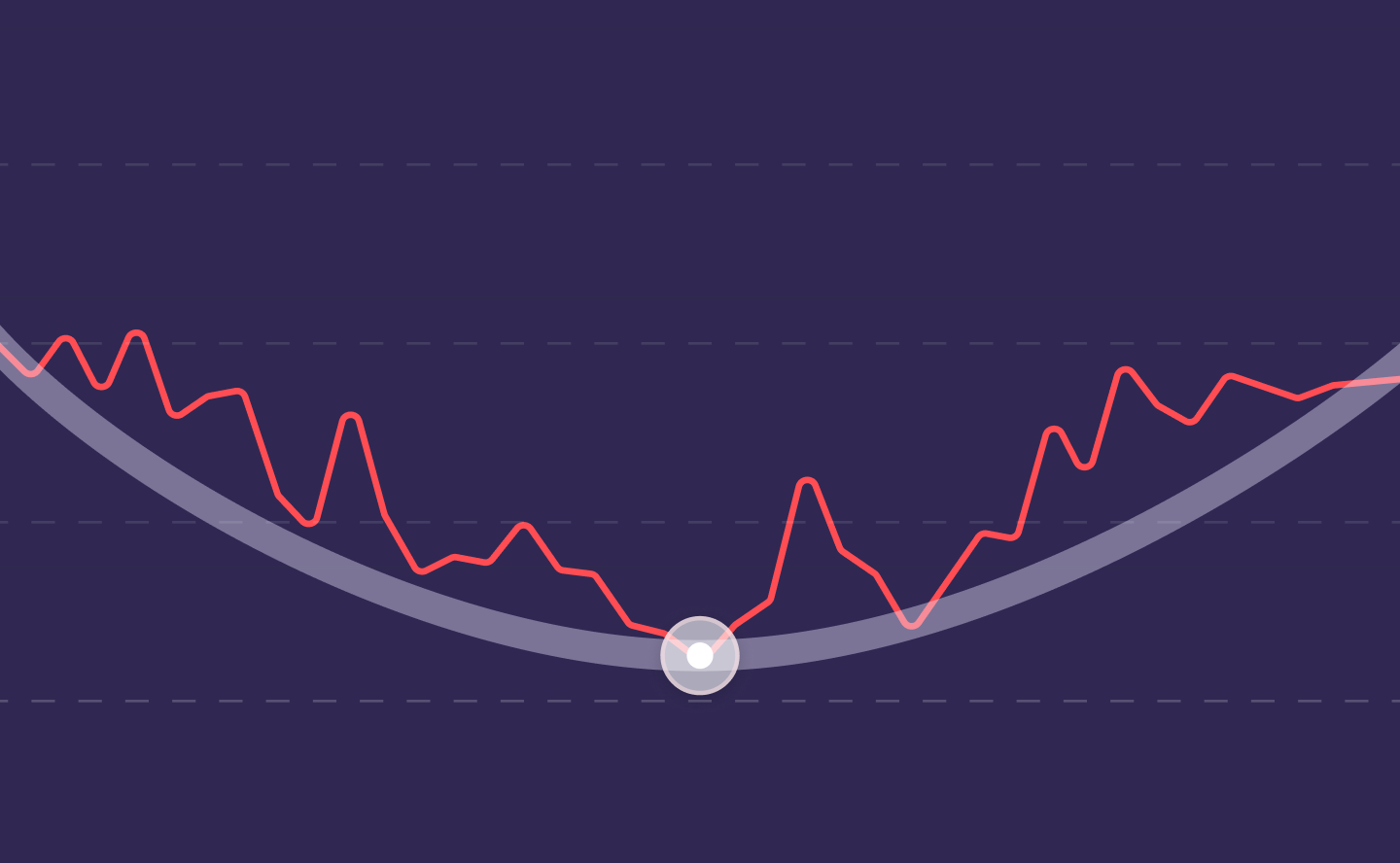
If your sleep heart rate forms a smile curve, congratulations, your sleep heart rate is very ideal.
As you enter the initial sleep stages, your body relaxes, and blood pressure and heart rate start to drop. In this case, your lowest heart rate occurs near the midpoint of sleep, when melatonin reaches its peak.
Your sleep heart rate might briefly rise during REM (Rapid Eye Movement) sleep. This is normal, and minor fluctuations don't affect the overall trend.
As you wake up in the morning, your heart rate begins to slowly rise.
The smile curve is a very good signal, indicating that you've had a good night's sleep and woke up feeling refreshed without any grogginess.
Moreover, after seeing a smile curve, you can review what you did or didn't do last night and continue those practices.
2. Steadily Decreasing: The body is still recovering
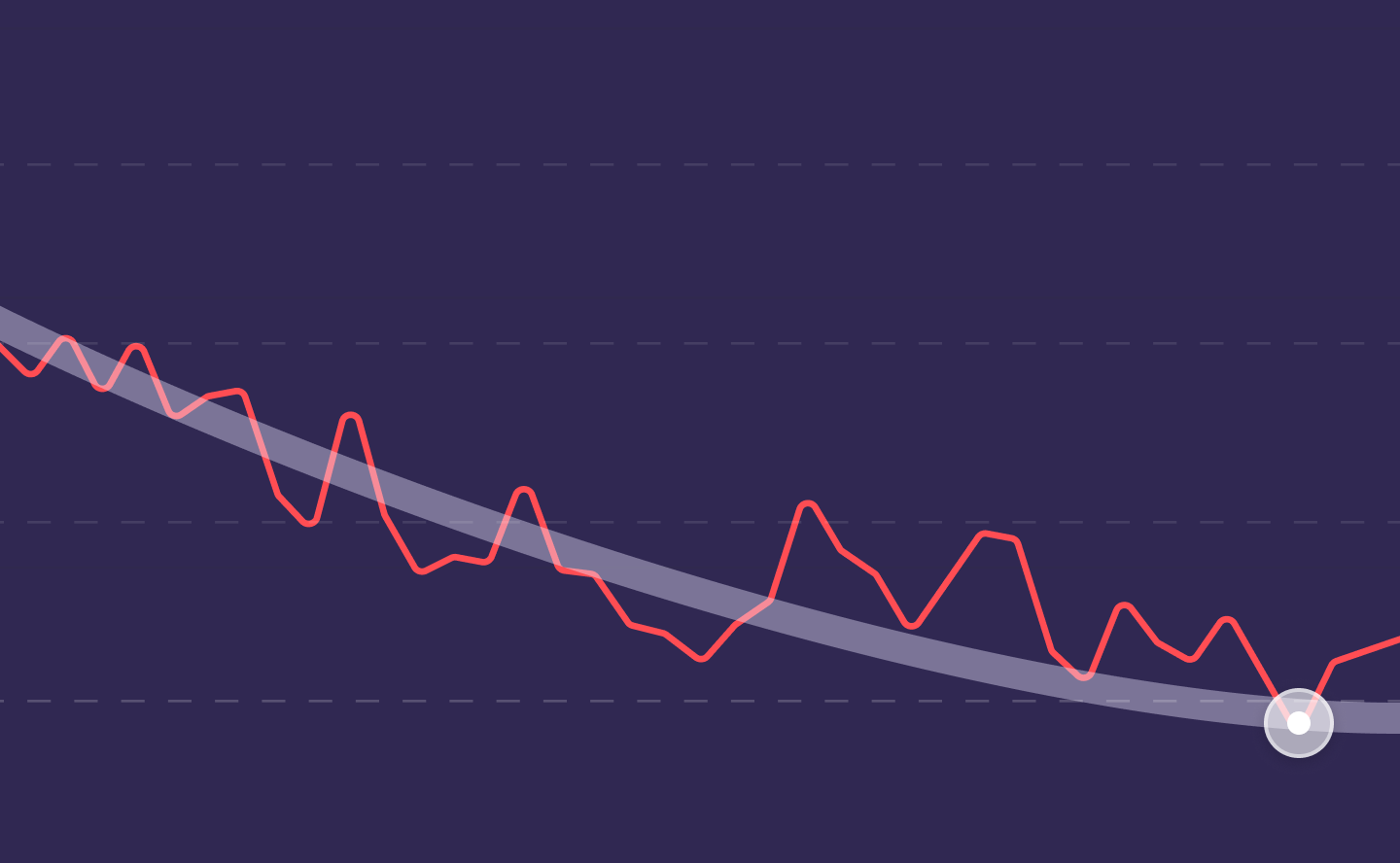
If your sleep heart rate steadily decreases and reaches its lowest point upon waking, you may feel groggy and have a hard time waking up.
This indicates that your body's metabolic system is still working overtime and hasn't fully rested.
Possible reasons for this pattern include:
- Eating dinner too late or having a heavy late-night snack
- Engaging in high-intensity exercise in the evening
- Consuming stimulants before bed, such as alcohol, coffee, or smoking
If you often see this downward trend, consider changing your routine. For example, exercise earlier in the evening, have dinner earlier, and avoid alcohol before bed.
3. Increases then Decreases: Overly tired at bedtime
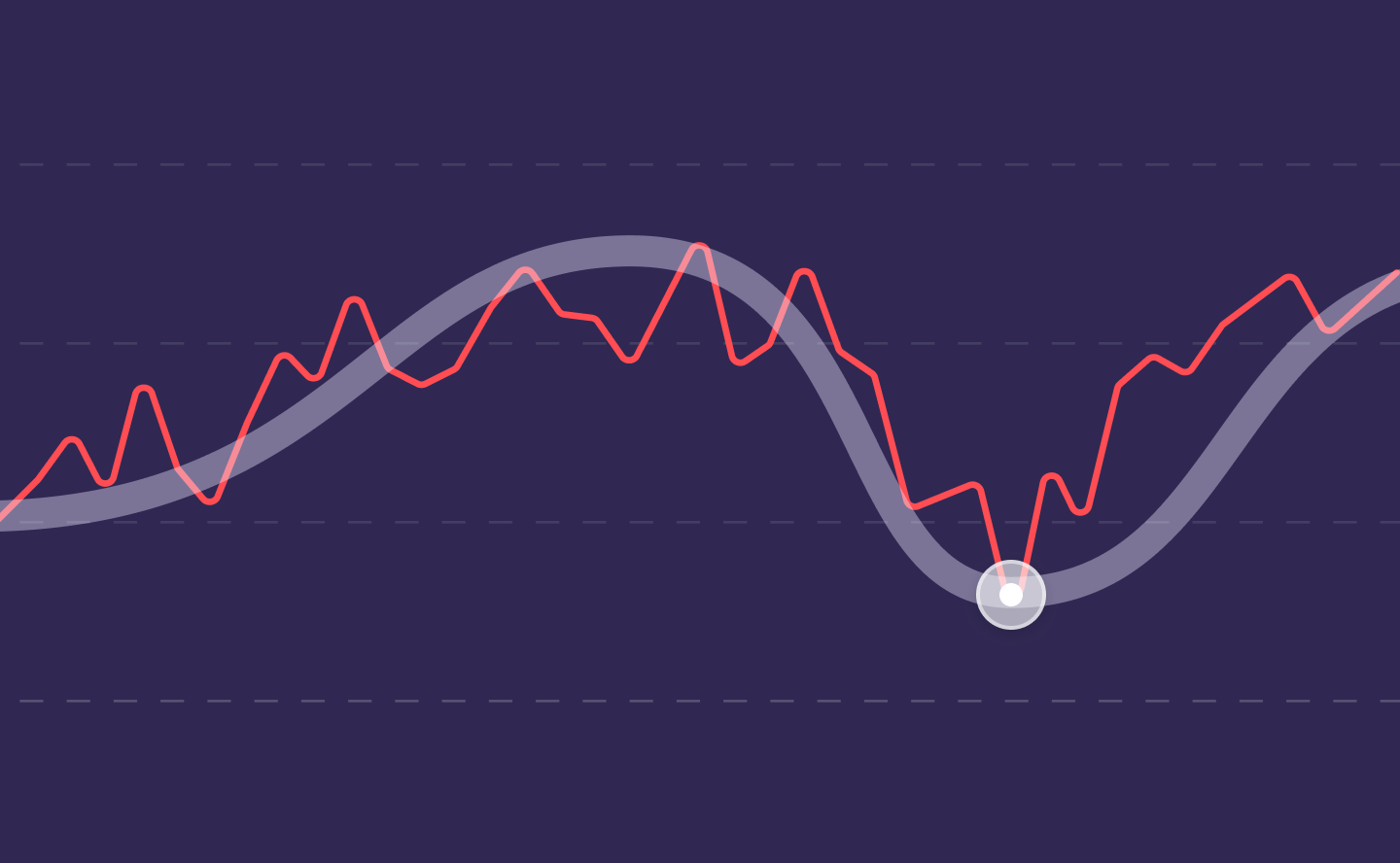
If your sleep heart rate rises shortly after falling asleep, it could be a sign of fatigue.
Possible reasons for this pattern include:
- Staying up late, past your usual bedtime: Melatonin is secreted at the usual time, but sleep is delayed, leading to an increase in heart rate after falling asleep
- Normal bedtime, but factors like snoring affect sleep, preventing the body from relaxing
It's important to maintain a consistent sleep schedule and address issues like snoring that may affect sleep breathing.
4. Consistently High: High physical stress
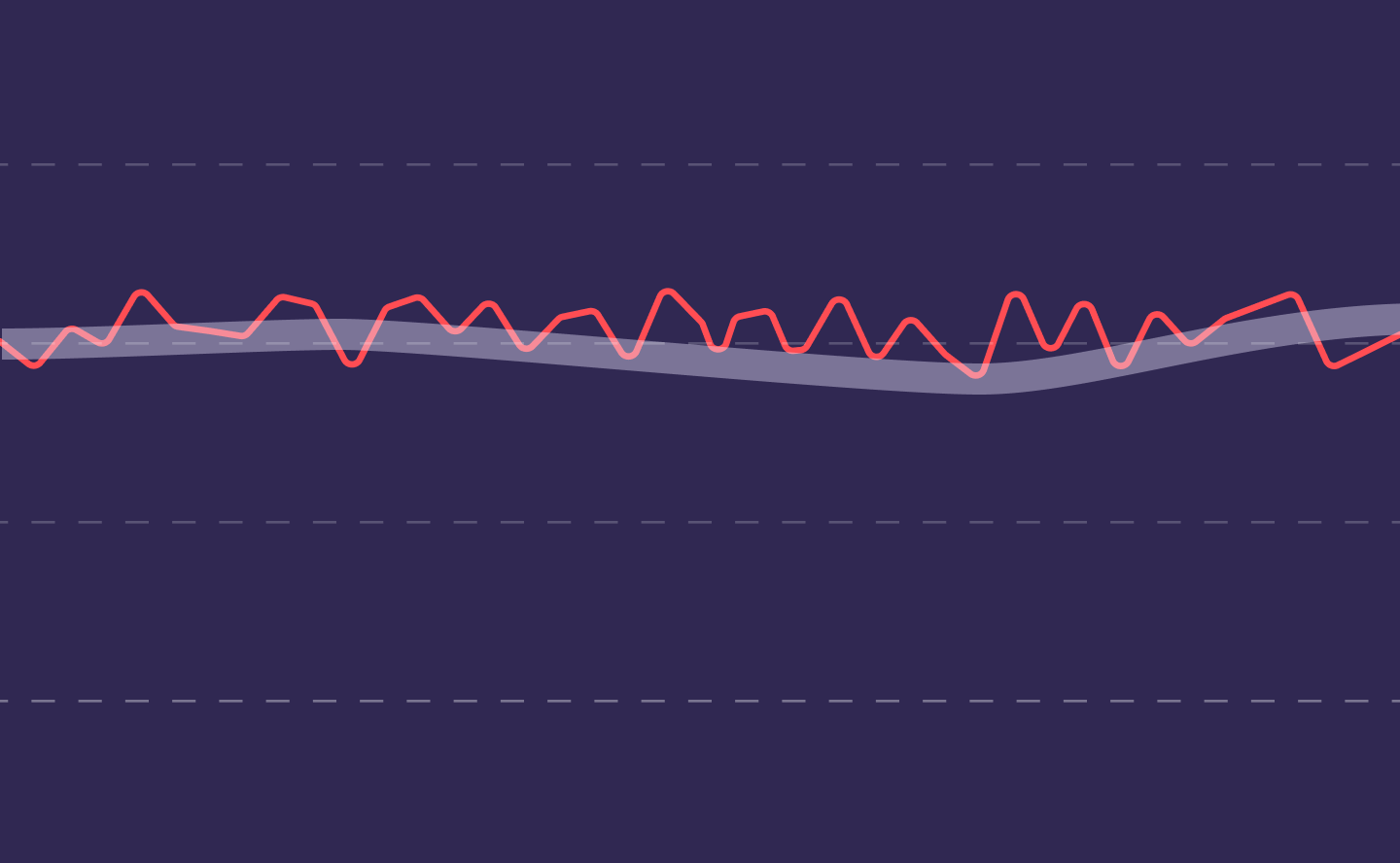
A sleep heart rate that doesn't vary much and remains at a high level indicates poor sleep quality and unrelieved physical stress.
Consider resting more the next day or taking a nap to compensate for the lack of sleep.